What 6 months of tracking actually looks like
8 min read · Updated March 2025
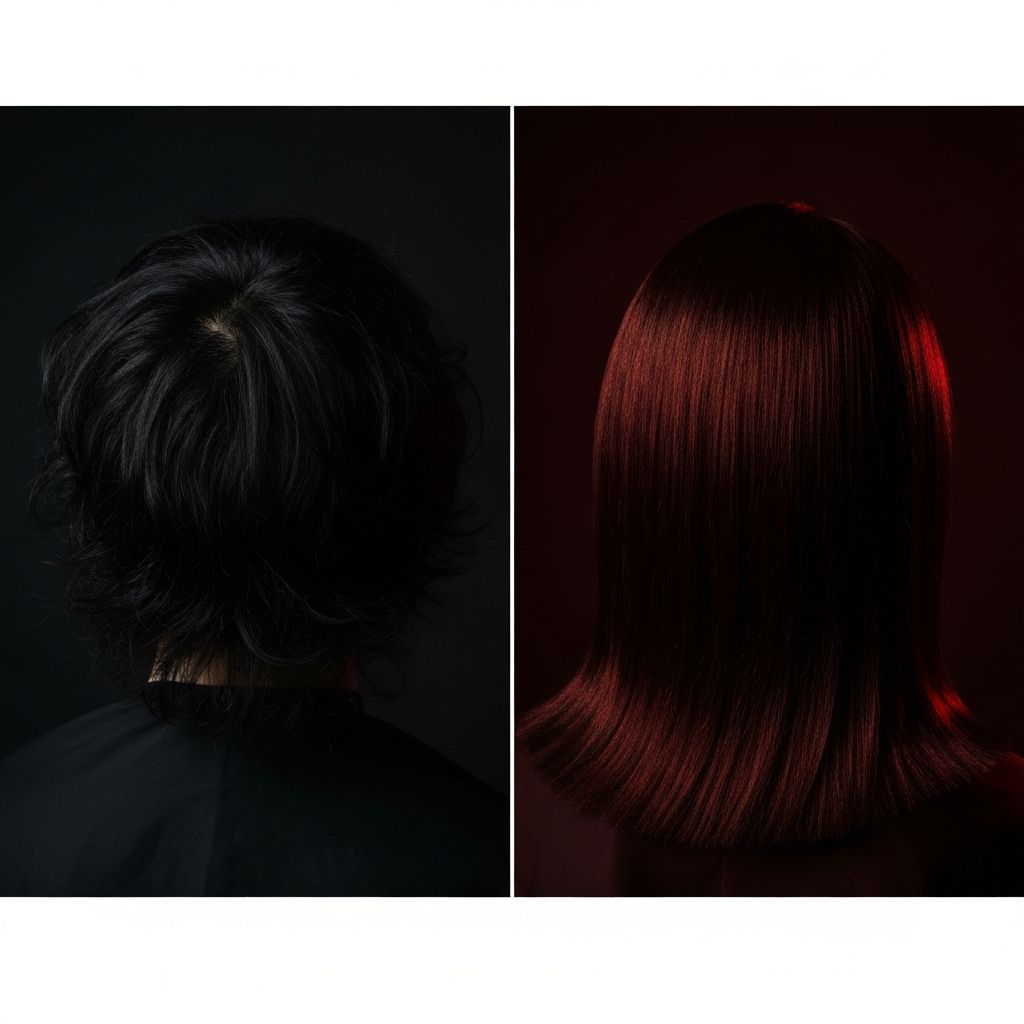
James, 27, started tracking in October. Not because he thought it would work — he didn't — but because doing nothing felt worse than doing something. Six months later, he shared his log with us. This is what it actually looked like.
Month 1: Starting point and the dread shed
James had been on topical minoxidil for three weeks before he started tracking. The first thing he noted wasn't improvement — it was a shed. More hair in the shower. More on the pillow. He nearly stopped. He didn't.
His notes from month one are mostly practical: "Started minoxidil Oct 3rd. Day 18 — major shedding. Reddit says this is normal. Genuinely cannot tell if it's normal or if I've made it worse. Taking photos every two weeks under same light."
Month 2–3: The flatline
Nothing visible happened. This is the part that most people interpret as failure and quit. James's photos from month two and month three look identical. He noted: "Can't see any difference. Sticking with it. Frustrated."
This is actually normal — and important to document. The flatline period is when treatments are doing work at the follicle level that isn't yet visible at the surface. Hair growth cycles are three to five months long. Visible results often don't begin until month four at the earliest.
Month 4: The first real sign
"Something's different at the hairline. Hard to say what. It feels denser but I can't confirm from photos alone." This is the typical first-signal window. It's subtle. It's easy to dismiss. It's also the moment most trackers start to feel like the process has meaning.
Month 5–6: Density improvement at vertex
By month five, James's crown photos showed a clear reduction in scalp visibility under his bathroom light — the light he'd been using consistently from the start, which made comparison reliable. By month six, he added finasteride after a dermatologist consultation.
His final note: "I don't have my hair back. I'm not claiming that. But it looks better than October. I'm not stressing it the same way. That might be the bigger win."
What tracking actually does
The value of a log isn't just the photos. It's the pattern of your responses to treatment — the shedding timeline, the stall months, the first signals. That pattern is information. It's what tells you whether what you're doing is working, and it's what a doctor actually needs when you walk into an appointment.
James's story isn't a success story in the dramatic before-and-after sense. It's a real one — which is more useful.
Disclaimer
This article documents a real user experience for informational purposes. It does not constitute medical advice. Treatment outcomes vary. Always consult a licensed dermatologist before starting or changing a hair loss treatment plan.